
Understanding the Basics of Sports Broadcasting
Introduction to Sports Broadcasting
Sports Broadcasting is a multifaceted discipline that encompasses the live or recorded coverage of sports events, distributed through various media channels. This industry has evolved dramatically with advancements in technology, enabling audiences worldwide to engage with their favorite sports from the comfort of their homes. As a cornerstone of the sporting experience, Sports Broadcasting not only brings the thrill of competition to fans but also creates a vibrant community around it. Today’s broadcasters must be adept in numerous areas ranging from technical skills to storytelling, all aimed at enhancing viewer experience. In an age where digital streaming and social media play pivotal roles, understanding the intricacies of Sports Broadcasting becomes essential. This article explores the fundamentals, essential equipment, techniques, challenges, and the metrics that define success in this dynamic field. For those interested in diving deeper into the world of Sports Broadcasting, reputable sources and training are just a few clicks away at Sports Broadcasting.
The Role of a Sports Broadcaster
A sports broadcaster serves as the voice of any sports event, translating what happens on the field or court into an engaging narrative for viewers. This role requires not only a deep understanding of the sport but also the ability to communicate effectively, maintain viewer interest, and provide insightful commentary. Broadcasters may work across various platforms, including television, radio, and online streaming services, adapting their delivery based on the format and audience. Their responsibilities also extend beyond live commentary; often, they engage in pre- and post-event analysis, interviews with players, and connecting with fans through digital platforms.
Key Skills for Effective Broadcasting
To succeed in sports broadcasting, individuals must cultivate a unique set of skills. These include:
- Communication Skills: Clear and confident speaking is crucial; a good broadcaster must articulate insights and play-by-play actions effectively.
- Knowledge of the Sport: An in-depth understanding of the rules, teams, players, and history of the sport enhances credibility and commentary depth.
- Technical Proficiency: Familiarity with broadcasting technology, audio-visual equipment, and software used for production is essential for seamless broadcasts.
- Storytelling Ability: Engaging audiences often hinges on a broadcaster's capacity to weave narratives, focusing on players’ journeys, game strategies, and memorable moments.
- Adaptability: The live nature of sports requires quick thinking and adaptability to unexpected situations and story developments.
Essential Equipment for Sports Broadcasting
Microphones and Audio Gear
Clear audio is a critical component of any effective broadcast. High-quality microphones help capture crisp sound, whether it’s the roar of the crowd or the announcer’s voice. Broadcasters typically use a combination of handheld mics for interviews, lavalier mics for on-the-go reporting, and boom mics for capturing ambient sounds. Additionally, audio mixers and digital signal processors ensure that the sound is balanced and clear for the audience. Wireless technology has also made it easier for journalists to move around freely without being tethered to equipment.
Video Cameras and Streaming Technology
Modern broadcasts rely heavily on advanced video cameras capable of capturing high-definition footage. Multi-camera setups allow for different angles and shots, enhancing the viewing experience. In conjunction with video switchers and graphics software, broadcasters can create visually dynamic presentations. Furthermore, the rise of streaming technology has transformed how audiences consume content. Various platforms enable live streaming, allowing for real-time interaction with fans and facilitating global reach.
Studio Setup and Design
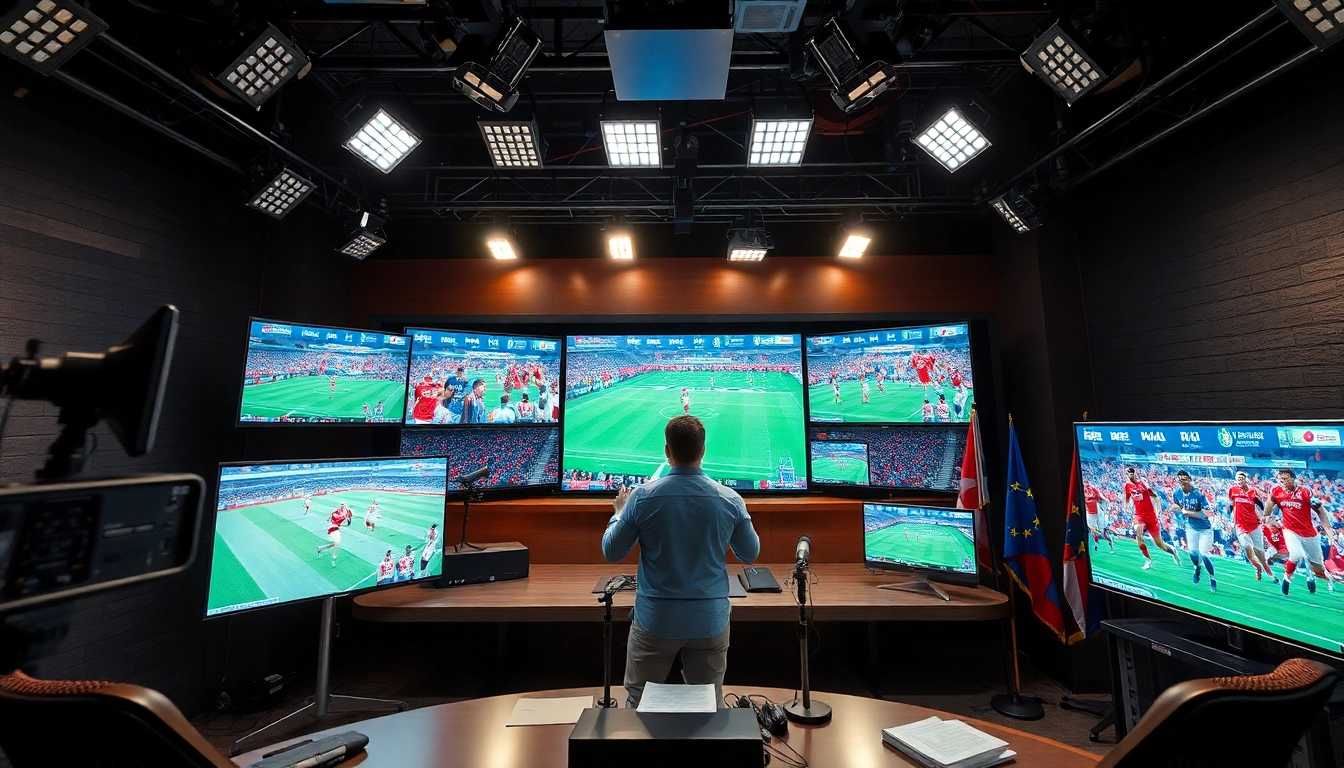
A well-equipped studio is crucial for any major broadcaster. Essential elements include soundproofing materials to eliminate external noise, proper lighting for clear visuals, and ergonomic furniture for comfortable broadcasting. The arrangement of equipment should be logical to facilitate smooth operations during live events. Furthermore, the aesthetic elements of the studio, including branding visuals, can significantly impact audience perception and engagement. Investing in a professional studio setup pays dividends in the long run by enhancing production quality and viewer experience.
Techniques and Strategies in Sports Broadcasting
Building Engaging Narratives
At its core, sports broadcasting is about storytelling. Broadcasters must create engaging narratives that resonate with viewers. This involves crafting story arcs that highlight player achievements, team rivalries, and historical context. Utilizing techniques such as emotional storytelling, character development through player profiling, and dramatic pacing can keep audiences captivated. Effective storytellers in broadcasting employ visuals such as highlights, statistics, and graphics to enhance their narratives, making them more informative and entertaining.
Live Commentary Techniques
Live commentary requires a unique skill set, as broadcasters must relay information instantaneously while maintaining an engaging delivery. Techniques for effective live commentary include:
- Keep it Concise: Brief, impactful commentary helps maintain the flow of the game, allowing viewers to absorb the action without unnecessary pauses.
- Vary Tone and Pitch: Emphasizing key moments with changes in tone can heighten emotional engagement and emphasize the significance of pivotal plays.
- Practice Active Listening: Being aware of the live feed and immediate actions allows broadcasters to respond accurately and provide relevant commentary.
- Use Replay Effectively: Instant replays can clarify critical moments and offer deeper analysis while keeping the audience engaged.
Utilizing Social Media for Engagement
In today's digital landscape, social media acts as a pivotal tool for broadcasters to connect with audiences beyond traditional means. Platforms like Twitter, Instagram, and Facebook allow for real-time interaction, enabling fans to share their views and experiences. Broadcasters can utilize social media to share behind-the-scenes content, live updates, and polls, thus fostering a sense of community. It is important to develop a social media strategy that aligns with the broadcast content, engages the audience, and elevates the overall viewing experience. Encouraging viewers to participate creates a two-way dialogue and enhances loyalty among the fanbase.
Challenges in Sports Broadcasting
Technical Issues and Solutions
Technical difficulties can arise unexpectedly during a live broadcast, potentially disrupting the viewer experience. Common issues include equipment malfunctions, network outages, and audio-visual syncing problems. Troubleshooting protocols, such as having backup equipment ready, can mitigate these risks. Additionally, broadcasters should conduct pre-event checks to ensure all technology functions properly. Training staff to respond swiftly to technical issues can enhance overall broadcast reliability.
Handling High-Pressure Situations
The live nature of sports broadcasting can create high-pressure situations, particularly during crucial moments in a game. Broadcasters must remain calm and composed, using strategies like deep breathing and mental rehearsal to manage stress. Preparation through research and practice can boost confidence. Keeping an open line of communication with the production team also helps navigate unexpected challenges effectively, ensuring that the broadcast remains fluid and cohesive even when the unexpected occurs.
Legal and Ethical Considerations
Sports broadcasters are required to navigate a labyrinth of legal and ethical considerations. Copyright laws protect the content being broadcasted, and adherence to these regulations is paramount. Furthermore, broadcasters must remain impartial and fair in their commentary to maintain credibility. Ethical considerations also extend to respecting players’ privacy and ensuring that commentary does not cross into the realm of personal judgment or bias. Broadcasters must cultivate an ethical framework that guides their professional reporting practices to foster trust with their audience.
Measuring Success in Sports Broadcasting
Audience Engagement Metrics
Evaluating the success of a sports broadcast hinges on an array of audience engagement metrics. Key performance indicators (KPIs) such as viewer ratings, online engagement rates, and social media interactions provide insights into audience behavior. Monitoring real-time analytics during broadcasts can help identify which elements resonate most with viewers. By analyzing these metrics, broadcasters can fine-tune their content and presentation styles to better align with audience preferences, thus improving their outreach and engagement strategies.
Feedback and Continuous Improvement
Gathering feedback is essential for continuous improvement in sports broadcasting. This can come from various sources, including direct audience surveys, social media analysis, and peer reviews. Incorporating viewer feedback into programming decisions allows broadcasters to adapt and refine their approach. Furthermore, engaging in self-assessment and evaluations after broadcasts is beneficial for recognizing areas of strength and potential improvement. Continuous learning and adaptation are crucial for staying relevant in this constantly evolving industry.
Future Trends in Sports Broadcasting
The landscape of sports broadcasting is continuously changing, with several trends shaping its future. Virtual and augmented reality technologies are beginning to offer immersive experiences that allow fans to engage with content in revolutionary ways. Moreover, data analytics is becoming increasingly important, allowing broadcasters to provide deeper insights and richer storytelling. As streaming services continue to dominate viewership, adapting to this shift will be crucial for broadcasters. Understanding these future trends can empower sports broadcasters to innovate their practices and stay ahead of the curve, ensuring they connect effectively with audiences.
FAQs about Sports Broadcasting
What qualifications do I need to become a sports broadcaster?
While there are no strict qualifications, a degree in journalism, communications, or a related field helps. Experience through internships and networking is also valuable.
How can I improve my broadcasting skills?
Improving broadcasting skills involves practice, watching experienced broadcasters, taking critique from peers, and continuously learning about sports and technology.
What equipment is essential for sports broadcasting?
Essential equipment includes quality microphones, video cameras, streaming software, and a well-designed studio setup for optimal sound and visual quality.
How important is audience engagement in sports broadcasting?
Audience engagement is critical in sports broadcasting. High engagement leads to higher viewer retention and loyalty, impacting the overall success of the broadcast.
What are common challenges faced in sports broadcasting?
Common challenges include technical issues, the pressure of live commentary, maintaining impartiality, and navigating legal considerations within the industry.