
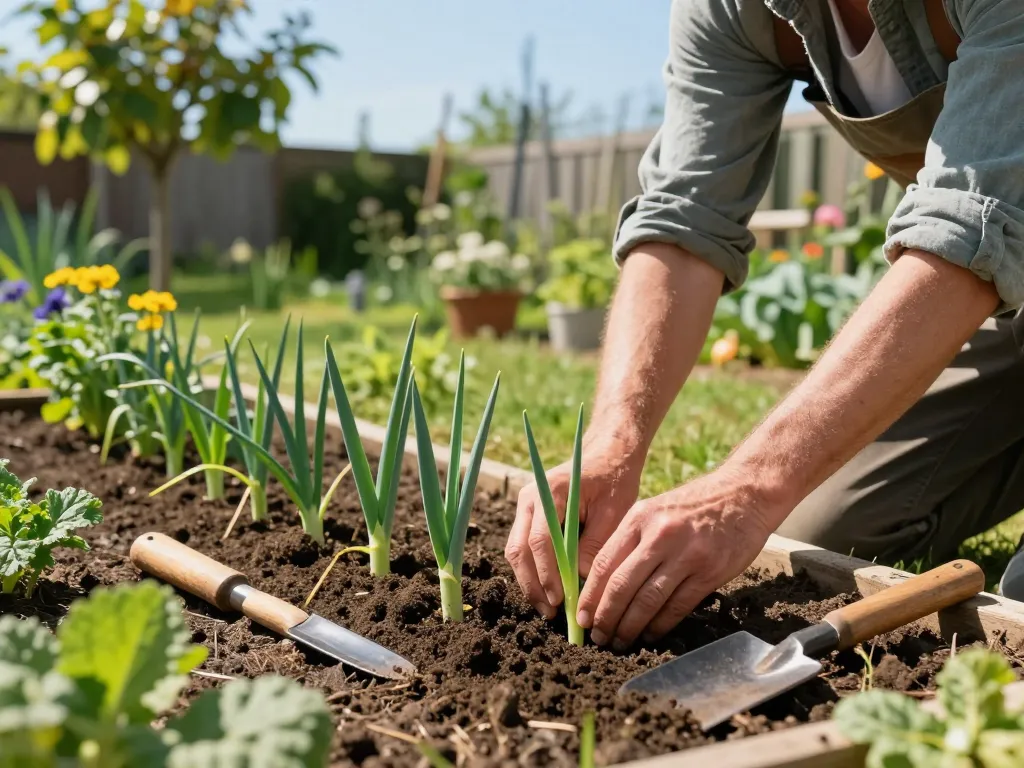
Understanding Sommerporree: A Comprehensive Overview
Sommerporree, commonly known as summer leek, is a versatile vegetable that thrives during the warmer months, offering a delicious addition to various culinary dishes. With its distinctive flavor and numerous nutritional benefits, this member of the allium family deserves a place in every home gardener’s plot. Whether you are a seasoned gardener or a newcomer, understanding how to grow and care for sommerporree can significantly enhance your gardening experience and yield. When exploring options, sommerporree provides comprehensive insights into selecting and cultivating this beneficial crop.
What is Sommerporree and its Nutritional Benefits?
Sommerporree (Allium porrum) is a variety of leek that is particularly well-suited for harvesting in the summer and early autumn. This leafy vegetable is not only low in calories but also rich in valuable nutrients. It contains essential vitamins such as Vitamin A, Vitamin K, and a host of B vitamins, including folate. Additionally, sommerporree is a good source of dietary fiber, which aids in digestion, and antioxidants that combat oxidative stress. Regular consumption of sommerporree can contribute to improved heart health, better immune function, and a lower risk of chronic diseases.
Varieties of Sommerporree for Your Garden
- Bluvetia: Known for its long, closed shafts and resistance to bolting, making it ideal for warm climates.
- Hannibal: A robust variety that offers high yields and superior flavor, perfect for soups and stews.
- Giant Winter: Although typically harvested in winter, this variety can also thrive during the summer with adequate care.
Preparing Your Garden for Sommerporree
Choosing the Right Soil and Conditions
To achieve optimal growth, sommerporree requires well-draining soil enriched with organic matter. A pH range of 6.0 to 7.0 is ideal, allowing the plants to absorb nutrients efficiently. Before planting, incorporate compost or well-rotted manure into the soil to ensure it is nutrient-rich and enhances drainage. Additionally, ensure that the chosen location receives full sunlight, as this will significantly impact growth and flavor development.
Optimal Spacing and Layout for Planting
Proper spacing is key in achieving healthy and productive sommerporree plants. Generally, seedlings should be planted about 6 to 12 inches apart in rows that are 12 to 18 inches apart. This spacing allows adequate air circulation and sunlight access while minimizing competition for nutrients. When planting, consider using raised beds to improve drainage and soil warmth, especially important for early spring planting.
Essential Tools and Equipment for Successful Planting
- Garden Trowel: For digging holes and transplanting seedlings.
- Rake: To prepare and level the soil.
- Watering Can or Hose: For consistent watering, especially during dry spells.
Planting Techniques for Sommerporree
Step-by-Step Planting Guide for Beginners
Planting sommerporree can be a straightforward process if followed correctly. Here’s a step-by-step guide:
- Seed Preparation: If starting from seeds, soak them in water for a few hours to enhance germination rates.
- Transplanting: Once seedlings reach about 6 inches tall, transplant them into the garden, burying them slightly deeper than they were in their pots.
- Watering: Give them a thorough watering immediately after planting to settle the soil around the roots.
Best Practices for Sowing and Transplanting
For optimal results, sow seeds indoors about 8 to 10 weeks before the last expected frost. Transplant them outdoors when they have at least 2 to 3 true leaves and the soil temperature is consistently above 50°F (10°C). This method helps in producing strong, healthy plants that are better equipped to withstand adverse conditions.
Seasonal Considerations for Effective Growth
Sommerporree is best planted in early spring for summer harvest. However, if you’re in a warmer climate, a second sowing in late summer can provide a fall harvest. Be mindful of the average first frost date in your area, as it can affect your harvesting schedule and the plants’ growth cycle.
Caring for Your Sommerporree Crop
Watering and Fertilization Techniques for Healthy Growth
Consistent watering is essential for sommerporree, particularly during dry spells, as it has shallow roots. Aim for about 1 inch of water per week, either through rainfall or supplemental irrigation. Use a balanced fertilizer, applying it every four to six weeks, to provide the necessary nutrients for robust growth and flavor enhancement.
Pest Control and Disease Management Strategies
Common pests that can affect sommerporree include aphids and onion flies. To manage these threats, consider using row covers during early growth stages and introducing beneficial insects like ladybugs. Regularly inspect plants for signs of disease, such as yellowing leaves or unusual growths, and promptly remove affected plants to prevent spread.
When and How to Harvest Sommerporree
Sommerporree is ready to harvest when the shafts are about 1 inch in diameter, typically between late summer and early autumn. Use a garden fork to gently lift the plants from the soil, being careful not to damage the roots. They can be stored in a cool place for a few weeks, allowing you to enjoy their fresh taste long after the garden season ends.
Future Trends in Sommerporree Cultivation
Innovative Techniques for Climate Adaptation
The agricultural industry is continually evolving, and so are the methods to adapt to changing climates. Vertical gardening, hydroponics, and soil-less farming practices are gaining traction as viable alternatives, particularly for crops like sommerporree that require specific growing conditions. These innovative methods can help mitigate risks associated with climate variability.
Future of Organic Sommerporree Farming
With the growing demand for organic produce, sommerporree farming is expected to see a significant shift toward organic methods. Implementing practices such as crop rotation, companion planting, and organic pest control will promote sustainability and improve overall soil health.
Emerging Research and Case Studies in 2026
Research in the coming years will likely focus on genetic improvements in sommerporree to enhance disease resistance and yield in diverse climates. Case studies on successful integrative pest management and organic growth strategies can provide valuable insights for cultivating sommerporree in various settings.
What are the best conditions for growing sommerporree?
Sommerporree thrives in full sun with well-draining soil enriched with organic matter. It prefers temperatures between 60°F and 70°F (15°C to 21°C) for optimal growth.
How do I know when to harvest sommerporree?
Harvest sommerporree when the shafts reach about 1 inch in diameter and before the first frost for the best flavor and texture.
What pests should I watch out for when growing sommerporree?
Watch for aphids, onion flies, and cutworms. Implementing row covers and encouraging beneficial insects can help manage these pests.
Can sommerporree be grown in pots or containers?
Yes, sommerporree can be successfully grown in pots or containers, provided they are at least 12 inches deep and wide to allow for root growth.
What are the nutritional benefits of incorporating sommerporree in my diet?
Including sommerporree in your diet offers numerous health benefits, including improved digestion, enhanced heart health, and a rich source of vitamins and minerals.