Understanding Motion Control Technology
In the rapidly evolving world of video production and animation, motion control has emerged as a pivotal technology that enhances the creative possibilities for content creators. By utilizing artificial intelligence, motion control allows for seamless integration of dynamic motion into static images, transforming them into engaging, animated sequences. This guide delves into the fundamentals of motion control technology, specifically focusing on Kling 2.6, a state-of-the-art tool that significantly streamlines the animation process.
What is Motion Control?
Motion control refers to the technology and systems that manage the movement of machines, typically in a precise and programmable manner. In the context of video and animation, it encompasses the methods and technologies used to create fluid, lifelike movements in digital content. By employing advanced algorithms and AI, motion control allows creators to easily manipulate animations without the tedious task of keyframing each movement. This not only saves time but also enables more consistent and realistic results.
Key Components of Motion Control Systems
- Algorithms: The backbone of motion control technology, algorithms enable the analysis and recreation of movement patterns.
- Reference Inputs: These include static images and motion reference videos that determine how the final output appears.
- Orientation Modes: Various modes dictate how the motion is applied to the images, impacting the overall feel and direction of the animation.
- User Interface: A user-friendly interface is crucial for simplifying complex motion control tasks, making it accessible for creators of all skill levels.
Applications Across Industries
Motion control technology is versatile and finds applications across numerous industries:
- Film and Animation: Enhancing visual storytelling through dynamic character movements.
- Gaming: Creating realistic animations for characters and environments, improving player immersion.
- Marketing: Employing animated videos for engaging advertisements and promotional materials.
- Social Media: Enhancing user-generated content to boost visibility and engagement.
Getting Started with Kling 2.6 Motion Control
To effectively leverage Kling 2.6 for your animation projects, it is essential to set up your workspace with the right tools and inputs, ensuring an efficient workflow.
Setting Up Your Workspace for Efficiency
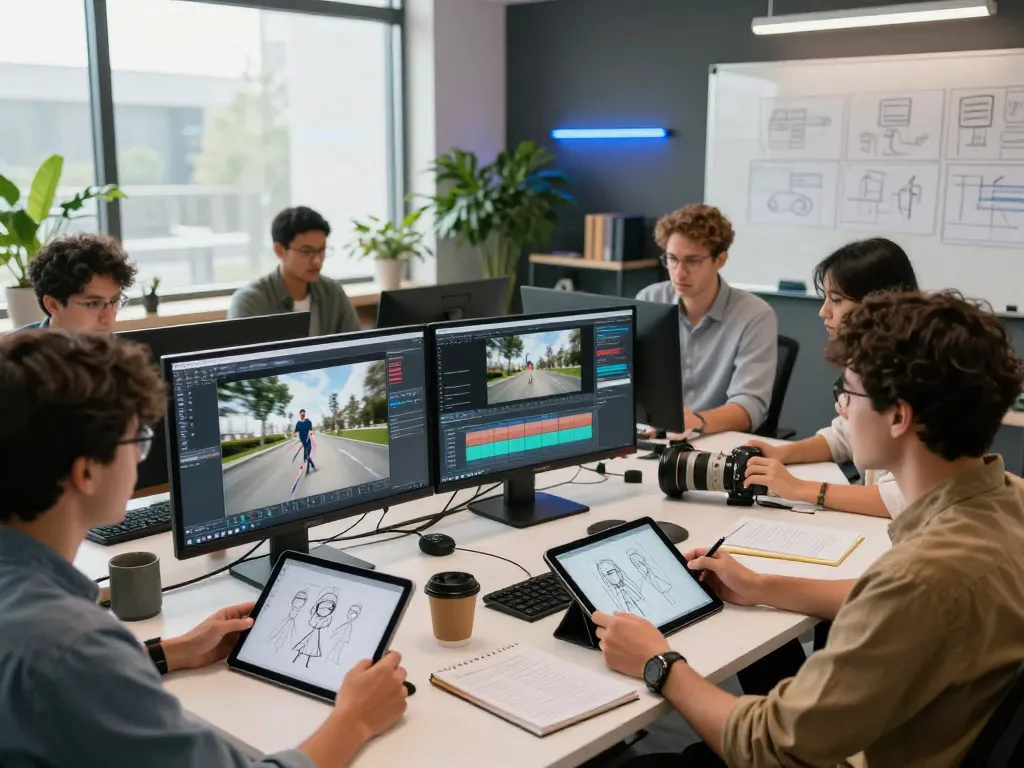
Begin by organizing your files and the inputs you plan to use. This setup typically includes a still image of the character you wish to animate and a motion reference video, which will serve as the foundation for your animation. Ensuring that these files are easily accessible and well-organized can greatly enhance your productivity.
Essential Inputs for Motion Control
The two primary inputs required for Kling 2.6 are:
- Static Image: A clear representation of the character or subject that you want to animate.
- Motion Reference Video: A short video clip (3-30 seconds) that illustrates the desired movement which will be transferred to the static image.
Choosing the Right Orientation Mode
When using Kling 2.6, you have the option to choose between two orientation modes:
- Match Video Orientation: This mode aligns the animation with the camera movement and angle from your reference video, offering a more dynamic feel.
- Match Image Orientation: This mode maintains the original composition of your static image, allowing the motion to adapt while preserving the character’s pose.
Advanced Features of Kling 2.6
Kling 2.6 boasts a variety of advanced features that enhance its capabilities and improve the quality of generated animations.
Smart Motion Extraction Techniques
The software employs cutting-edge algorithms to analyze motion patterns within the reference video. This process, known as motion data analysis (MDA), quantifies and applies movements, ensuring that animations reflect realistic behaviors. This allows for the animation of complex actions, such as walking, turning, and gesturing, creating a seamless and lifelike experience.
Full-Body Precision and Gesture Control
Kling 2.6 excels in capturing full-body movements and even intricate gestures that are often overlooked in basic motion models. This level of precision provides greater realism, enabling animators to create engaging character performances that resonate with audiences. By accurately mapping joint movements and expressions, creators can produce animations that feel authentic and relatable.
Enhancing Visual Scenes without Disrupting Motion
Additionally, Kling 2.6 allows users to enhance background elements and visual effects without interfering with the motion transferred to the characters. This flexibility means that you can refine lighting, atmosphere, and other aesthetic aspects while maintaining the integrity of the animation. Such capabilities make it ideal for cinematic storytelling and professional video presentations.
Common Challenges and Solutions
While motion control technology provides incredible advantages, users may encounter several challenges. Understanding how to navigate these can significantly improve outcomes.
Avoiding Distortion in Animations
One common issue faced by users is the distortion of character limbs during animations. This often occurs due to occlusions in the reference video, such as when a subject crosses their arms or hides portions of their body. To minimize distortion, always select clear and unobstructed reference videos where body movements are distinctly visible.
Dealing with Complex Reference Videos
Another challenge may arise from using complex reference videos with intricate movements. While Kling 2.6 is highly capable, overly complicated motions can still lead to inaccuracies. It’s recommended to simplify movements when possible and to select reference clips that clearly demonstrate the desired actions.
Ensuring Safe Content Practices with Kling 2.6
For creators concerned about content safety, Kling 2.6 adheres to strict guidelines prohibiting NSFW content. Users should always ensure that their projects comply with these standards, thus maintaining an appropriate and professional output.
Future Trends in Motion Control for 2026 and Beyond
The motion control industry is witnessing rapid advancements, driven largely by AI technologies that continue to evolve. As we look ahead, several trends are expected to shape the future of motion control.
Evolving AI Technologies in Animation
Advancements in AI are set to simplify the animation process even further. Continuous improvements in motion extraction algorithms will enable more complex animations with minimal user input. AI-driven technologies will also facilitate real-time feedback during the animation process, allowing for quicker iterations and adjustments.
Predictions for the Motion Control Industry
As demand grows for high-quality video content, the motion control industry is likely to see an increase in tools that prioritize ease of use and accessibility. The integration of more sophisticated AI features will empower creators of all skill levels to produce professional-grade animations without extensive training.
Real-World Success Stories and Case Studies
Numerous success stories have emerged from the use of motion control technology, showcasing its impact on various sectors. From social media influencers leveraging dynamic animations to brands producing engaging promotional videos, the effectiveness of motion control is evident. These case studies demonstrate how businesses can harness the power of motion control to enhance their content strategy and connect with their audience.
Frequently Asked Questions
How does Motion Control improve video production?
Motion control streamlines the animation process, allowing creators to produce higher-quality videos in less time. By automating many of the tedious tasks involved in animation, such as keyframing, content creators can focus on the creative aspects of their projects.
What types of animations can be created using Kling 2.6?
Kling 2.6 can animate a wide variety of movements, including walking, dancing, gestures, and more complex actions. This versatility allows for an expansive range of applications, from character animations in storytelling to promotional dance videos.
Is motion control safe for all content types?
Yes, motion control technology like Kling 2.6 is designed with safety protocols that prevent the generation of inappropriate content. Users must adhere to established guidelines to ensure a safe and professional output.
How to achieve the best results with motion control?
To maximize the effectiveness of motion control, ensure that your input files—a still image and a clear motion reference video—are of high quality. Additionally, choosing the appropriate orientation mode can significantly impact the animation’s final appearance.
What future advancements should we expect in motion control technology?
The future of motion control technology is promising, with ongoing advancements in AI and machine learning expected to enhance the accuracy and efficiency of animation. This could lead to more intuitive interfaces and the ability to generate even more lifelike animations.