Understanding Flooring Types
When it comes to designing and upgrading your home, one of the most vital elements to consider is flooring. The type of flooring you choose can significantly influence your home’s overall functionality, aesthetic appeal, and even its resale value. As part of making informed design choices, it’s essential to understand the various flooring materials available and their pros and cons. In this extensive guide, we will delve into some popular flooring options that you might consider for your home renovation or new build.
Hardwood Flooring: Timeless Elegance
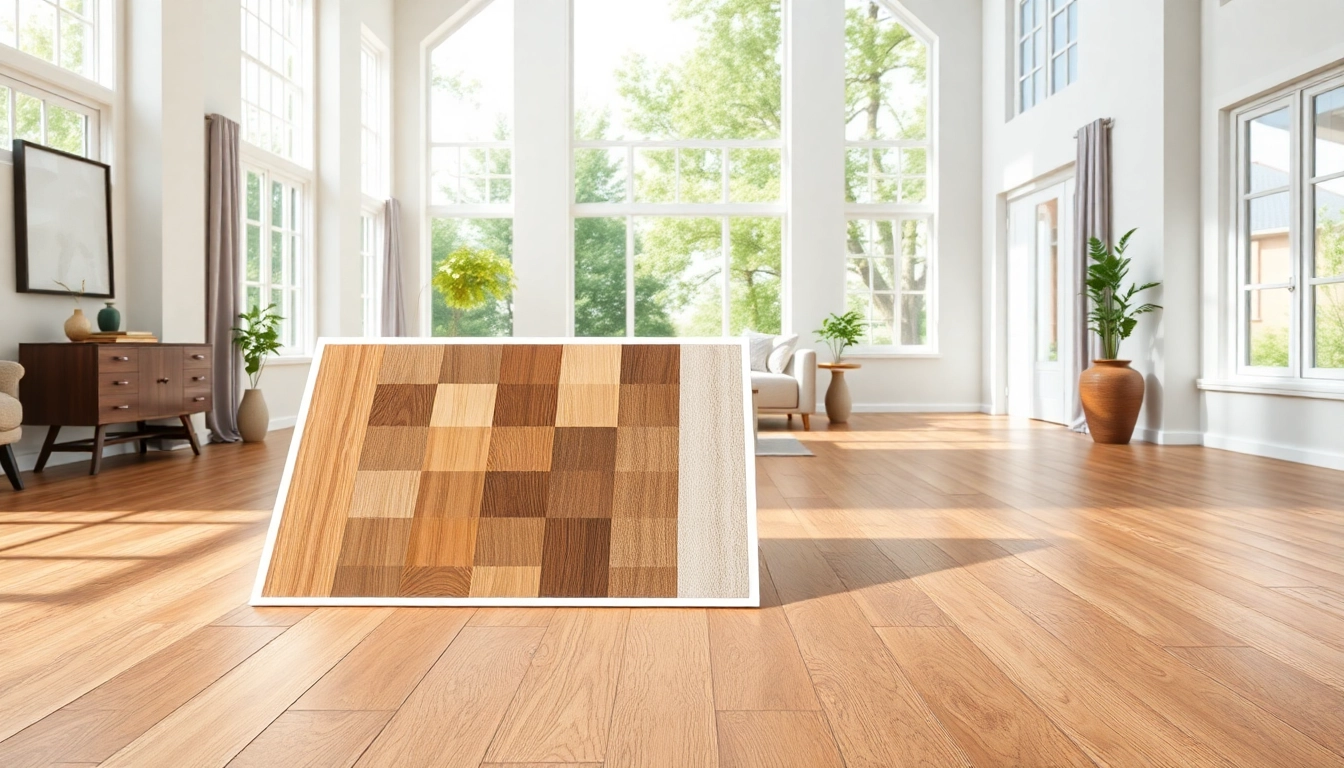
Hardwood flooring stands as a testament to quality and craftsmanship. Its timeless appeal comes from the natural beauty of wood, which adds warmth and character to any space. Furthermore, hardwood is durable, properly maintained; it can last a lifetime. For homeowners, it's essential to choose between solid hardwood and engineered hardwood. Solid hardwood is made from a single piece of wood, while engineered hardwood consists of multiple layers, providing better resistance to moisture changes.
One notable advantage of hardwood flooring is its ability to improve over time. As it ages, hardwood often develops a patina that enhances its charm. Moreover, refinishing can restore its original luster, making it a sustainable choice. However, hardwood flooring requires regular maintenance to prevent dents, scratches, and water damage. For those who prefer an eco-friendly option, consider sourcing reclaimed wood.
Laminates: Budget-Friendly Options
Laminated flooring is an excellent alternative for homeowners seeking a cost-effective yet aesthetically pleasing option. Composed of a high-density fiberboard core topped with a photographic layer that mimics natural wood, laminate flooring provides a versatile appearance without the hefty price tag. It's resistant to scratches and stains, making it ideal for high-traffic areas.
Installation is relatively straightforward, which benefits DIY enthusiasts. However, while laminate offers a similar look to hardwood, it lacks the same resale value. High-quality laminates can sometimes be hard to distinguish from natural wood, but they typically tend to feel less warm underfoot. Overall, laminate flooring offers significant value for budget-conscious consumers.
Tile Flooring: Versatility and Durability
Tile flooring is known for its exceptional durability and versatility. Available in an array of materials—including ceramic, porcelain, and natural stone—tile flooring is a popular choice for kitchens, bathrooms, and entryways. Its water-resistant nature makes it an ideal option for moisture-prone areas, providing peace of mind to homeowners. Moreover, the vast selection of designs and colors allows you to create unique looks that suit your style.
Though tile flooring can be cold and hard underfoot, area rugs and heating mats can mitigate this issue. A key benefit of tile is its low maintenance requirements; simple sweeping and occasional mopping are usually sufficient. The longevity of tile can be remarkable, thus making it a practical long-term investment.
Benefits of Quality Flooring
Investing in quality flooring brings a wealth of benefits not just aesthetically but also in terms of functionality and long-term rewards. Let's explore some of the key advantages of choosing quality flooring for your home.
Enhancing Aesthetic Appeal
Quality flooring can dramatically enhance your home’s interior aesthetics. The choice of color, texture, and material contributes significantly to the design theme of a space. Whether opting for the elegance of hardwood, the practicality of tile, or the affordability of laminate, quality flooring can establish a foundation for your entire design scheme. Additionally, well-chosen flooring complements furniture and decor, creating a harmonious environment.
Improving Home Value
Quality flooring can substantially boost your property’s resale value. Potential buyers are often willing to pay more for homes featuring durable, attractive flooring. For instance, hardwood flooring can provide a significant return on investment, and well-maintained tile can also appeal to buyers. When landscaping for property sales, high-quality flooring attracts attention and creates a more marketable home.
Ensuring Comfort and Warmth
Quality flooring is not only about looks; it also contributes to comfort. Well-insulated flooring can keep spaces warmer in colder climates, creating a cozy environment. Materials like carpeting can enhance thermal insulation and reduce noise, thus improving comfort levels in a home. Durable flooring options can also reduce wear on your feet when standing for prolonged periods, adding to overall occupant satisfaction.
Considerations When Choosing Flooring
Your choice of flooring extends beyond mere aesthetics. Several critical factors will impact your selection and satisfaction. Here are key considerations to keep in mind when choosing flooring for your space.
Durability and Maintenance Needs
Different flooring materials come with varying levels of durability and maintenance requirements. Assessing the intended use of the space will guide your selection. High-traffic areas may require more durable options like tile or laminate, while softer materials like carpet can be used in less trafficked rooms. It’s also important to consider the effort required to maintain the flooring. Regular cleaning and occasional repairs can help prioritize longevity and aesthetics over time.
Environmental Impact and Sustainability
As environmental awareness increases, more homeowners are considering the sustainability of their flooring materials. Options like bamboo and responsibly sourced hardwood provide eco-friendly alternatives to traditional wood products. Additionally, recycled materials like rubber or cork are gaining traction. When evaluating the environmental impact, always look for certifications that affirm a product's sustainability, such as FSC (Forest Stewardship Council) or LEED (Leadership in Energy and Environmental Design).
Cost versus Quality: Making Smart Choices
While budget is a significant factor in flooring choices, it should not be the only consideration. Balancing cost and quality is essential for making a smart investment in your home. Sometimes cheaper flooring materials might lead to higher replacement costs down the road. Aim to strike a balance by selecting materials that fit your long-term goals while remaining within your financial comfort zone.
Installation Process of Flooring
Understanding the installation process of your chosen flooring type is fundamental for ensuring durability and visual appeal. A well-executed installation can significantly affect the longevity and usability of your flooring. Here’s an overview of the steps involved in flooring installation and considerations to remember.
Preparing the Subfloor
The first step in any flooring installation is preparing the subfloor. A solid, clean, and dry subfloor is vital to support the flooring material and prevent issues down the line. In some cases, you may need to level the subfloor or perform minor repairs to ensure a smooth surface. Additionally, it's essential to address moisture concerns; for example, using a vapor barrier can help protect against potential water damage.
Choosing Installation Methods
Installation methods vary based on the flooring type. Hardwood typically requires nail-down or glue-down methods, while laminate can use a "floating" installation, allowing it to expand and contract without being adhered to the subfloor. Tile installation often involves mortar and grout. Understanding the best method for your chosen material is crucial for achieving optimal results.
Hiring Professionals vs. DIY
While DIY installation may save on labor costs, it requires knowledge and confidence in handling the materials and tools involved. Hiring professionals ensures that your flooring is installed correctly and efficiently, often with warranties included. Consider your budget, experience level, and the complexity of the project when deciding between professional installation and a DIY approach.
Maintaining Your Flooring
Once your flooring is installed, proper maintenance is key to preserving its beauty and functionality. A regular care routine can increase the lifespan of your flooring and enhance your living experience. Below are essential maintenance practices for various flooring types.
Daily Cleaning Best Practices
Daily cleaning routines vary based on the flooring type, but general best practices include sweeping or vacuuming to eliminate dirt and debris. For hardwood and laminate, use a damp mop with a pH-neutral cleaner to avoid damage. Tile floors can be mopped regularly, but ensure no standing water remains. Establishing a daily cleaning routine will keep your flooring looking fresh and vibrant.
Long-Term Care and Repair
With time, wear and tear are inevitable. For hardwood and laminate floors, consider regularly refinishing or applying protective sealants. Tiles may require grouting maintenance and resealing based on the material. Address scratches, dents, or other damage promptly to prevent further deterioration. Investing in quality care products can significantly prolong the life and aesthetics of your flooring.
Seasonal Maintenance Tips
Seasonal changes can affect the condition of your flooring, so it’s crucial to adapt maintenance routines accordingly. In winter, consider using mats at entrances to capture snow and moisture, protecting against scratching and staining. In areas with high humidity, ensure proper ventilation to minimize mold growth in carpets or under flooring. Regular seasonal checks for issues like loose tiles or warping boards will help maintain your flooring’s integrity throughout the year.
FAQs
What is the best type of flooring for high-traffic areas?
For high-traffic areas, tile and laminate flooring are excellent options due to their durability and resistance to scratches and stains.
How often should I clean my flooring?
Daily sweeping or vacuuming is recommended, with deeper cleaning every week or as needed to maintain cleanliness and appearance.
What can I do to maintain hardwood flooring?
Regularly sweep or vacuum, use a damp mop with a suitable cleaner and consider refinishing every few years to maintain lustre.
Are there eco-friendly flooring options?
Yes, options like bamboo, cork, and reclaimed wood are sustainable choices, as they come from renewable sources or recycled materials.
Can I install flooring over existing floors?
Yes, it's often possible to install flooring over existing floors, but it’s essential to ensure the subfloor is stable and level.